Cave Junction at a glance
- Long before 1900Native peoples live across the Illinois and Rogue river valleys.
- 1909Oregon Caves receives national monument designation.
- 1926The crossroads settlement of Cave Junction is established.
- 1930sRoad and visitor development, including CCC work, changes access to the monument.
- 1946–48The town adopts a charter and then incorporates.
The Illinois Valley and its earlier histories
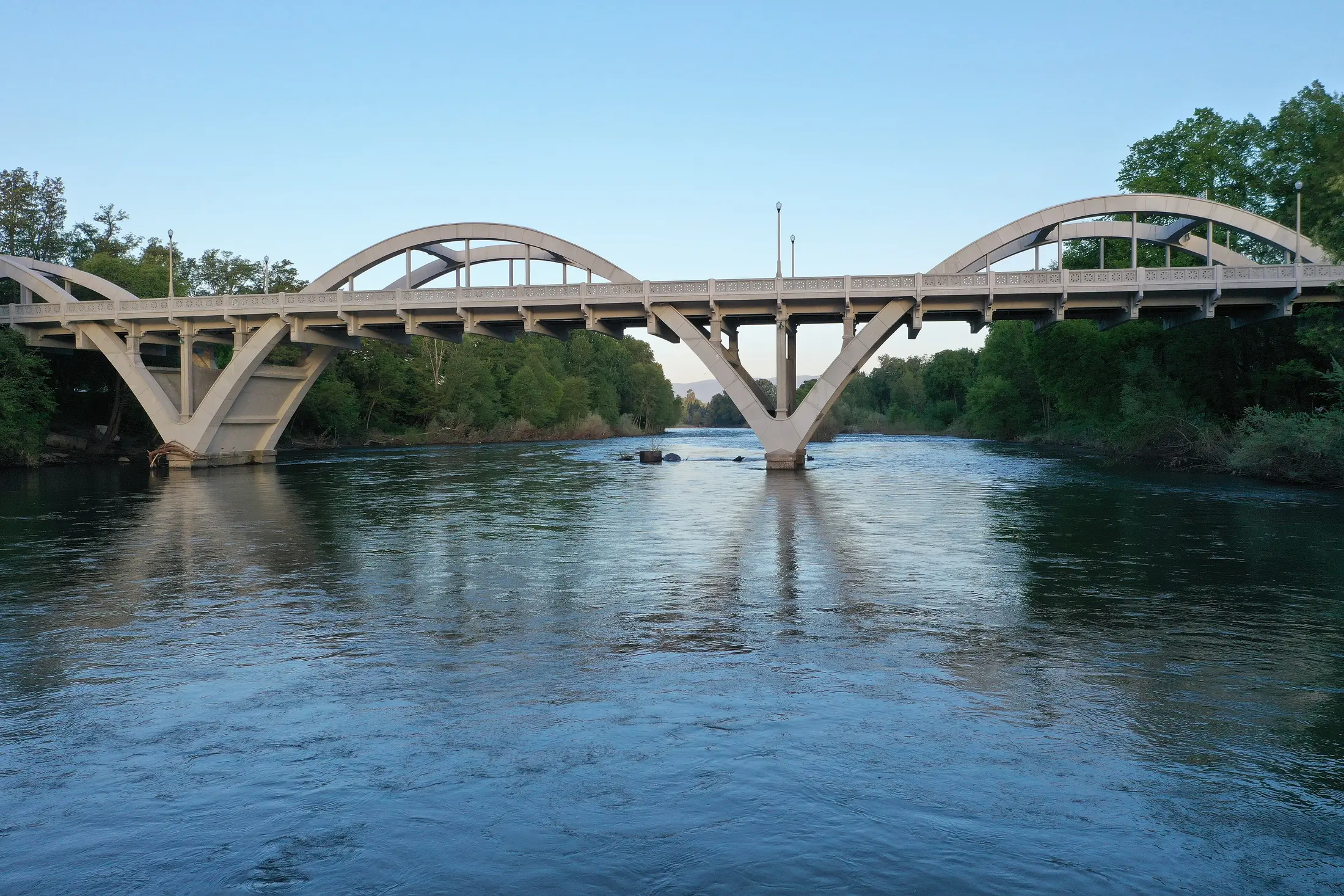
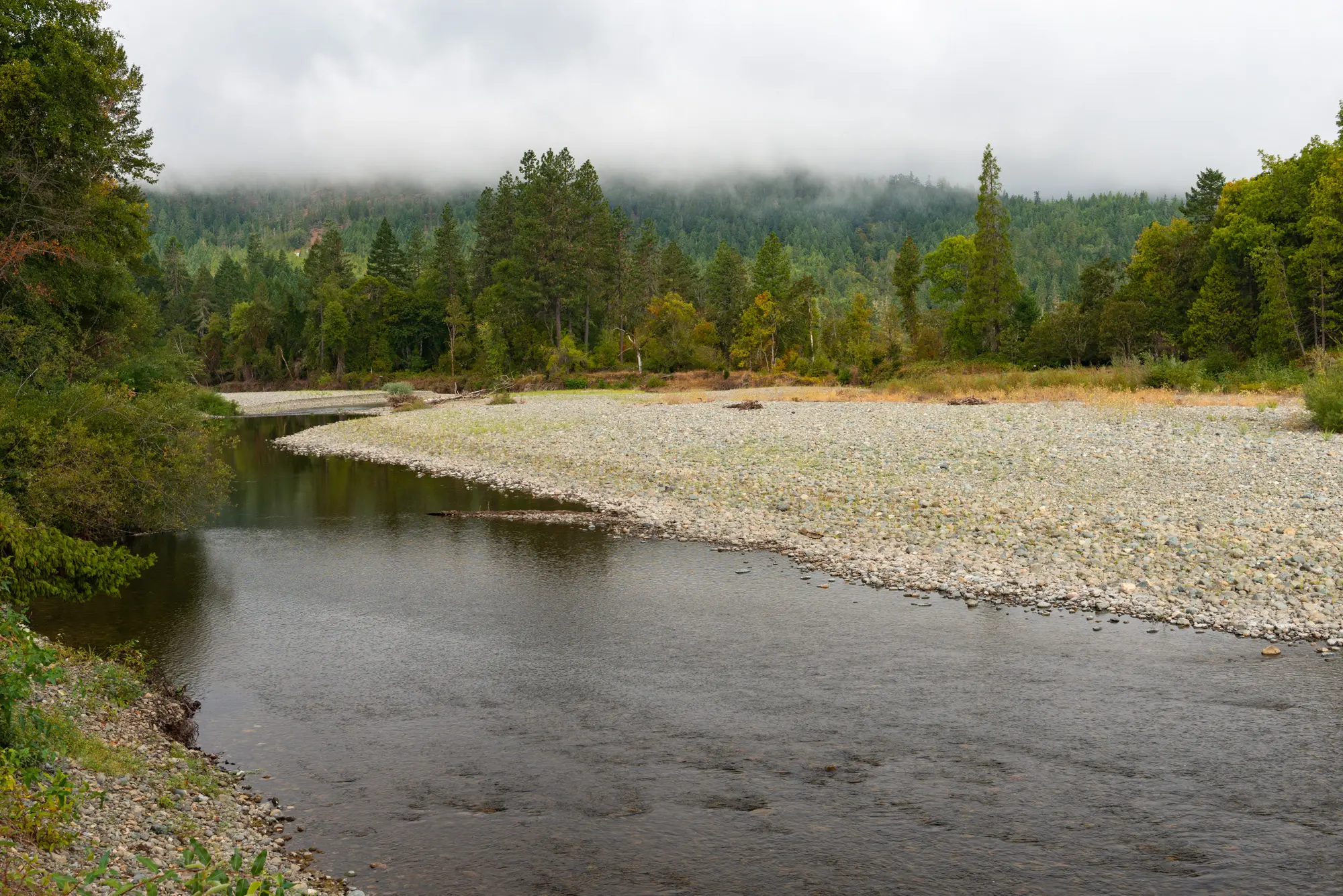
Cave Junction is in Josephine County's Illinois Valley, part of the larger Rogue River watershed but separated geographically from the Bear Creek floor around Medford. That distinction matters when planning travel and when telling the region's history. Native peoples have long lived across the Illinois and Rogue valleys. The National Park Service documents Takelma history and its continuation; it cautions that there is no concrete evidence that Native people used the cave itself. Avoid turning an entire valley's Indigenous history into an unsupported cave legend.
The Illinois River, surrounding forests and mountains shaped movement and settlement. The settlement's later name describes a road junction, not the location of the cave entrance.
Why a crossroads grew
Oregon Caves became a national monument in 1909. As travel to the caves developed, the road from the Redwood Highway became a reason to stop at the junction. The National Park Service dates the establishment of Cave Junction to 1926. The road, rather than a mine or mainline railroad depot, explains the town's early gateway role.
The city dates its first charter to 1946 and incorporation to 1948. A settlement can have visitors, businesses and residents for years before its municipal government takes its final form. Its own civic story should not be replaced by the much older story of the monument above it.
The valley had more than a tourism economy
Gold mining brought settlers to the Illinois Valley in the 1850s. The county seat was once at Waldo and later at Kerby, north of today's Cave Junction, before the railroad helped move regional government and commerce to Grants Pass. That neighboring history explains why the eventual junction town developed as a service center for an existing valley rather than from a blank map.
The city's parks plan describes agriculture, ranching, logging, fishing, tourism and small trades in the Illinois Valley after settlement. Timber was important to Cave Junction's later economy, and its decline affected growth. The caves gateway is a recognizable identity, but it is only one part of how local people made a living.
The caves road and public works
The park's timeline records Civilian Conservation Corps work in the 1930s on monument facilities and a new road, and the completion of the Oregon Caves Chateau in 1934. These investments changed how travelers approached the caves and helped establish the area's visitor economy. The monument also protects cave geology, biology, water and a surrounding forest landscape; it is more than a historic hotel or a tour ticket.
The Chateau is a historic structure, but its restoration and access have changed over time. Check the National Park Service's current visitor pages rather than assuming a historic building, a cave tour or a mountain road is open on the day of your visit.
Use the town as a base, not a substitute for the caves
The park entrance lies up a winding mountain road from Cave Junction. The National Park Service advises allowing about 50 minutes from town and checking conditions before the trip. Build time into the day for the drive as well as any tour; a stop in town is a different activity from a visit to the cave system.
Pair the city's history page with the park timeline, then use the Cave Junction community guide for present-day services and Illinois Valley outings. This lets you see both the town's crossroads identity and the protected place that helped draw people to it.
Sources and further reading
These links lead to the historical institutions and local agencies used to check this account. Some sources cover the wider watershed; read them alongside the town specific sources.
- City of Cave Junction: History ↗
- City of Cave Junction: Parks master plan ↗
- Oregon Secretary of State: Josephine County history ↗
- National Park Service: Oregon Caves timeline ↗
- National Park Service: Takelma ↗
- National Park Service: Directions and transportation ↗
- National Park Service: Cave tours and visitor planning ↗
- Oregon Encyclopedia: Rogue River ↗